-
Britain has become a nation of brave faces with almost half of people appearing confident to others but privately struggling with self-doubt
-
Younger adults are most affected by the confidence gap, with 18- to 24-year-olds more likely to experience it
-
New research from Boots reveals more than 4 in 5 (83%) admit that the small pressures of everyday life have impacted their confidence
-
Broadcaster and psychologist Dr Linda Papadopoulos shares three simple ways to close the confidence gap and build long-term resilience
Britain has become a nation of brave faces, with new research from Boots revealing a striking disconnect between how confident people appear and how they really feel. Almost half of people (49%) say they appear confident to others but struggle privately with self-doubt or confidence issues, while another 1 in 2 (49%) are putting on a brave face at least once a week when their confidence falters or everyday life feels overwhelming.
This confidence gap is particularly pronounced among younger generations. More 18 to 24-year-olds say they appear confident to others while privately struggling with self-doubt than any other age group. The study of over 4,000 UK adults also revealed that for many these struggles are not showing signs of improvement. Seven in ten (69%) people feel no more confident now than they did 12 months ago, including one in five (20%) who feel less confident.
Behind the brave faces it is often the most familiar tasks that are taking their toll. More than 4 in 5 people (83%) admit that the challenges and pressures of daily life have impacted their confidence and resilience. For those whose confidence worsened over the past year, half (50%) say a lack of sleep or low energy has been an influence, while loneliness or isolation (41%) and feeling overwhelmed by daily responsibilities (39%) are also among the biggest knocks. Appearance plays a role too, with more than a third citing feeling unhappy with how they look (35%) or self-conscious about their appearance (34%) as having an impact.
Among those reporting a drop in confidence over the last year, the drivers vary by life stage. Over half (52%) of 18 to 24-year-olds say feelings of loneliness or isolation have affected their confidence in the last year. They are also more affected by comparing themselves to others or what they see on social media than any other age group. For Midlifers (aged 45 to 54), work-related stress and hormonal changes are more likely to impact confidence than for any other generation, while this group is also the least likely to feel equipped to cope when life becomes overwhelming. Meanwhile, adults aged 65 and over are most likely to cite managing a long-term health condition or an unexpected health concern as a factor affecting their confidence in the last year.
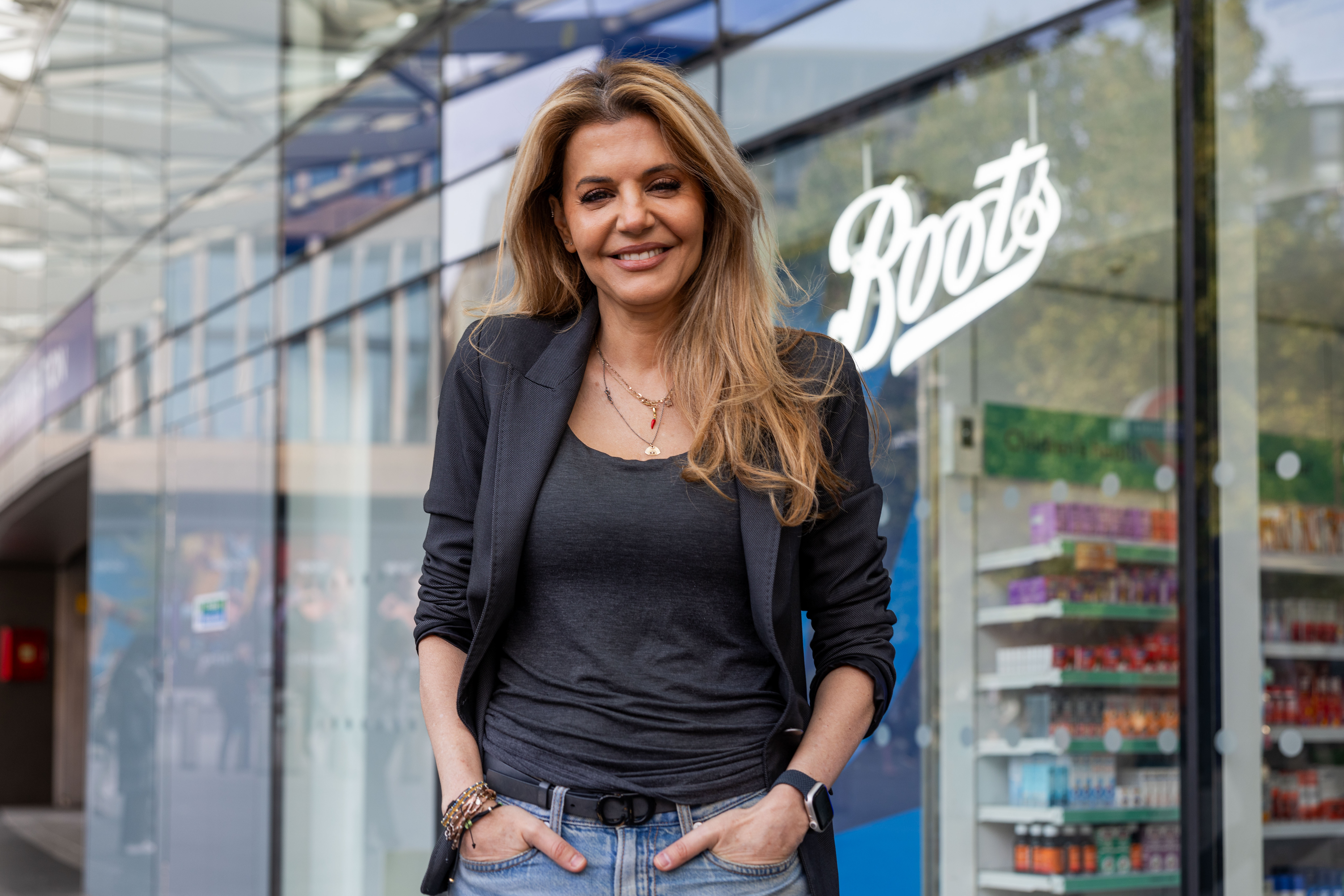
However, according to leading psychologist and broadcaster Dr. Linda Papadopoulos, understanding the confidence gap is the first step towards closing it. She said; "We have become good at looking confident, even when we don’t feel it, but ‘faking it until we make it’ doesn't necessarily mean someone is being inauthentic. More often, it's how we cope with life's demands and keep moving forward, as many of us continue to work, parent and socialise while privately feeling uncertain or overwhelmed.
“Self-doubt is a very human experience and recognising that can be incredibly reassuring. The challenge comes when we compare our own internal experience with everyone else's external presentation and conclude that we're the only ones who feel this way.
“But the good news is confidence isn't fixed and it can be built. The more we challenge ourselves, embrace new experiences and recognise what we're capable of, the more we can narrow the gap between the confidence we project and the confidence we genuinely feel. Here are three simple ways to start:
-
Use helpful self-talk: Rather than trying to convince yourself, “I’m going to be amazing,” try something more grounded such as, “I don’t know exactly how this will go, but I trust myself to handle it”. Confidence is not about convincing yourself that everything will go perfectly, it is trusting that you will cope even if it doesn’t.
-
Stretch your comfort zone: You don’t have to leap outside your comfort zone, but by trying something slightly unfamiliar, and staying with the discomfort long enough to discover that you are okay, you will discover new limits to what you are capable of.
-
Create small moments of joy: When life feels overwhelming, our attention naturally narrows towards problems and threats, but small positive experiences can interrupt that pattern. They do not make difficult things disappear, but they remind us that difficulty is not the whole picture.”
Among those whose confidence is affected by everyday pressures, many recognise the value of small, daily actions to help them bounce back. While a good night's sleep is seen as a universal confidence booster across all generations, younger adults are most likely to turn to music for a boost, whereas spending time outdoors is particularly valued by over-65s. Nearly half (47%) of people believe a positive mindset helps them deal with the everyday challenges that chip away at confidence, alongside learning from setbacks and mistakes (39%) and doing something that brings them joy (39%).
Although the causes of the confidence gap vary across generations, the route back often starts with small moments that help people feel more like themselves. When asked what brings them joy and brightens their day, it is often the smallest moments that make the biggest difference, with Brits ranking the following experiences highest:
-
Getting some good news (53%)
-
Waking up feeling well-rested (42%)
-
Laughing out loud with someone I care about (41%)
-
Crossing something off my to-do list (36%)
-
Making plans for something exciting (35%)
-
A message or call from someone special (35%)
-
Getting an unexpected compliment (34%)
-
Hearing my favourite song (31%)
-
Coming home to a pet (24%)
-
Finishing a good book (22%)
-
A really good hair day (16%)
While the nation’s confidence struggles may be hiding in plain sight, there is a clear desire to overcome them, with seven in ten people (71%) saying they would like to feel more confident than they do today.
To inspire the nation to take the first step, Boots is sparking a confidence conversation through its bold new brand platform, Give It Some Boots. This September, the retailer will bring the campaign to life with pop-up ‘Confidence Booths’ across the UK, inviting people to stretch their comfort zone through the power of music. With 68% of people saying music can instantly change their mood and 69% saying singing along lifts their spirits, the Confidence Booths aim to help people unlock a little extra confidence and give it some Boots.
As the UK’s leading health, beauty and wellness retailer, Boots helps millions of people navigate life's highs and lows with trusted advice, products and services. With over 4,900 Pharmacists, 15,000 healthcare advisors, 1,400 Beauty Specialists and 4,500 Boots Macmillan professionals, alongside over 200 healthcare services and a trusted portfolio of health and beauty brands, Boots is uniquely placed to support customers through the everyday challenges that matter most.
All figures, unless otherwise stated, are from OnePoll. Total sample size was 4,000 adults. Fieldwork was undertaken between 20th – 28th August 2026. The survey was carried out online. The figures are representative of all UK adults (aged 18+) based on a quote sampling approach.